Who is Osho? Understanding His Life, Teachings, & Legacy
Dec 28, 2025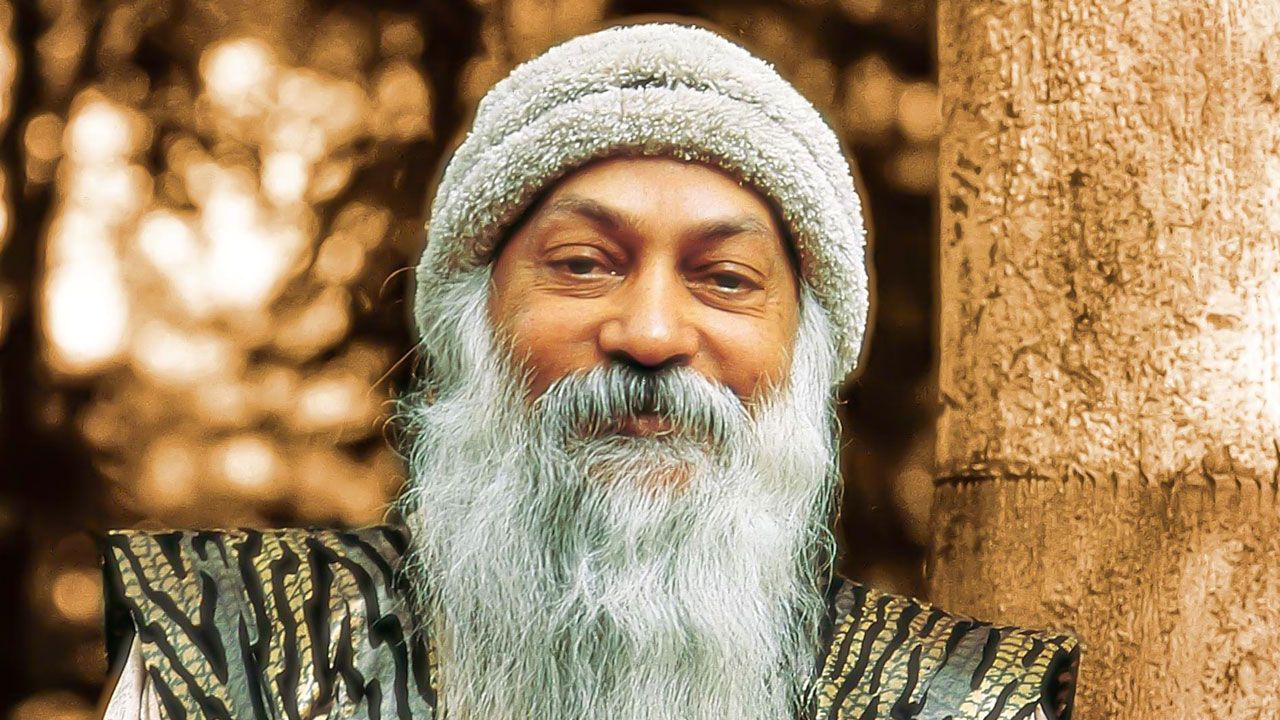
When I first met Bhagwan Shree Rajneesh, later known as Osho, I was seventeen years old. I was searching for the essence of life and was full of questions I didn’t yet know how to ask. He spoke of Tantra as the most natural path to awakening. Through his eyes, sexuality is sacred, pure life force energy to be met consciously. Meditation is a way of being fully alive within it. I remember Osho saying; “Life is not a problem to be solved but a mystery to be lived.”
Over the years, as I lived and meditated under his guidance, I watched seekers from all over the world drawn by the same magnetic presence. Understanding Osho is impossible without living his teaching. He asked us to wake up. To love deeply, to dissolve shame, to meditate through the body, and to let life move through us without resistance. Everything I teach today, every practice I share through Tantra Essence, carries his imprint.
Osho’s legacy is in the lives of those he touched and continues to touch through his non physical presence. His presence opens the door for a new expression of Tantra, one that is modern and alive. To this day, I feel his laughter echoing in my meditations, reminding me that the divine is here, in the breath, in the body, in love itself.
Bhagwan Shree Rajneesh Early Life and Intellectual Formation
Osho was born on December 11, 1931, in the small village of Kuchwada in the state of Madhya Pradesh, India. He was the eldest of eleven children in a modest Jain family. His parents, Babulal and Saraswati Jain, were simple, deeply religious people who followed the Jain principles of non-violence and humbleness. But from the very beginning, Osho, then named Rajneesh Chandra Mohan Jain, stood out as the one child who refused to accept anything on faith.
He often said that his early life was defined by freedom. His maternal grandparents raised him until he was seven, and he was given complete liberty to explore, wander, and question. He spent his childhood roaming the nearby forests, playing alone for hours, and sitting silently by rivers, what he would later describe as his first experiences of meditation, though no one had taught him how to meditate. This early exposure to silence and nature shaped his lifelong love for inner stillness.
When Rajneesh was aged 7, his grandfather died suddenly. The shock confronted the boy deeply with the reality of death, an encounter he later said was his first glimpse of awakening. It was in that grief that he began to understand impermanence and the mystery of existence
By the time he was a teenager, Rajneesh had already developed a fierce independence of thought. He questioned everything and refused to accept answers that weren’t rooted in direct experience.
Rajneesh’s first experience of spiritual awakening happened at the age of 14. When his parents had his Astrological birth chart done, astrologers informed the parents that this boy would face death at the age of 7, 14 and 21; and that if he survived, each 7 years he would be confronted by death. Having heard about this, the teenage Rajneesh decided that if death was coming, he would meet it head on.
He went to an abandoned temple that had fallen to ruin. He laid down and pretended to be dead, just to understand what death is. Soon, a nest of snakes who lived in the area began slithering over his prone body. The boy thought to himself, “if I was really dead, I would not react at all to these snakes. So just let them move as they wish.” Through this powerful experience, he fell into a deep and profound Samadhi state.
Osho's Education
He enrolled at D.N. Jain College in Jabalpur, and later at Jabalpur University, where he pursued philosophy with intensity. He read voraciously, from the Upanishads and Tao Te Ching to Nietzsche, Kierkegaard, and William James, drawn to any voice that explored consciousness and freedom. He often said that while others read to pass exams, he read to understand the human mind.
After completing his Master’s degree in Philosophy with top honors, Rajneesh was offered a position as a lecturer at Jabalpur University. He encouraged students to question authority, to experiment with meditation, and to dismantle everything they had been taught to believe. This attitude would later evolve into one of his defining principles “Don’t believe me, experience it for yourself.”
Despite being only in his twenties, his charisma began to attract attention far beyond the university. He was soon invited to speak at public forums, religious conferences, and interfaith dialogues, where his fearless critique of organized religion made headlines. He argued that priests, politicians, and moral leaders had enslaved humanity by teaching fear and guilt, especially around the body and sex. In a time when India was still deeply conservative, his words were revolutionary and scandalous.
Osho's Enlightenment Experience
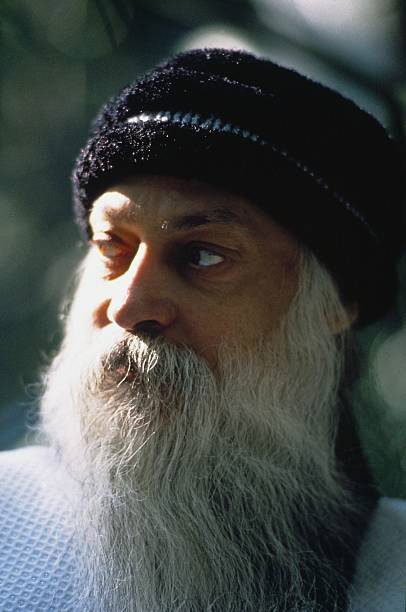
Then, at the age of twenty-one, came the defining moment of his life, his enlightenment experience. Osho described it in vivid, firsthand detail in his talks later compiled as Glimpses of a Golden Childhood and The Discipline of Transcendence.
“For seven days continuously I was feeling as if I were dying, dying, dying. A great death was coming closer every moment. And the moment I realized that now death was complete, everything disappeared. The last barrier disappeared. There was nobody inside me, not even a witness. Everything was silent, still. But still there was a great joy, a blissfulness — just a small light, a very small flame, and that kept growing and growing. It became a vast fire — alive, radiant, eternal.” — Glimpses of a Golden Childhood, Talk #4
That night marked the birth of the man the world would come to know as Osho. He said that after his awakening, the mind disappeared and only awareness remained.
From that point onward, he slowly but surely left academia and began traveling across India, giving talks in small towns and large cities. He spoke with piercing clarity about truth, love, death, and meditation, drawing crowds that grew larger with each appearance. His lectures were raw and often confrontational. He questioned Hinduism, Jainism, Christianity, Islam to free people from what he called “borrowed truth.”
He became known during those times as ‘Achyara Rajneesh.’ An Acharya is someone who holds and is able to transmit great wisdom. He was also a master of debate. This is an ancient, time honoured practice in India. Spiritual leaders get together to debate spiritual precepts. It was customary in the past that whoever would lose the debate would become the disciple of the other one and bring all of their followers with them. Rajneeesh had the capability to debate any subject from any angle and always win the debate. This gift of being able to speak from either side of a subject and win, later served him very well when he became a Guru and was able to expand the minds of his disciples by speaking through contradictions.
One of Rajneesh’s debates was with a then follower of Gandhi and social reformer named Morarji Desai. Rajneesh completely pulverised this opponent, who didn’t take losing to this upstart in a graceful way. Morarji Desai was infuriated! Years later, when Morarji Desai became Prime Minister of India, he took revenge on Osho by relentlessly interfering with and harassing his devotees, his Ashram and putting every barrier possible against the spreading of Osho’s work.
In one early discourse, Osho Rajneesh declared:
“Religion is not a belief, it is an experience. When you live it, belief becomes meaningless.”
— The Mustard Seed, Talk #5
Those early years forged his identity as a spiritual iconoclast, a man who could bridge the mystical and the rational with equal ease. He also launched what he called Neo Sannyas, a direct contradiction to the ancient tradition of Sannyas that had existed in India for thousands of years. In the ancient tradition, someone called to the path of spirituality would renounce the world, removing themselves into the mountains or jungle, their only possession being a begging bowl and an orange cloth to wrap around their body. Living as a recluse, they would then devote themselves to Yoga, Meditation and Austerity as a path to spiritual liberation.
In Osho Rajneesh’s vision of Sannyas, the spiritual seeker lives in the world but not of the world, endeavouring to bring meditation into the marketplace and into worldly life. When Osho gave Neo Sannyas initiation, he would offer a new (usually Sanskrit) name to the seeker, and a mala with 108 wooden beads which had a locket containing Osho’s picture. The newly initiated Person was asked to wear Orange and to practice various forms of meditation regularly.
Those early years when Achyarya Rajneesh became known as the Guru, Bhagwan Shree Rajneesh, meaning ‘the highly respected Blessed One’ also shaped the foundations of what would become Neo-Tantra: a spiritual path that honored the sacredness of desire.
Read: Osho's Discourse on His Enlightenment
The Birth of Neo-Tantra
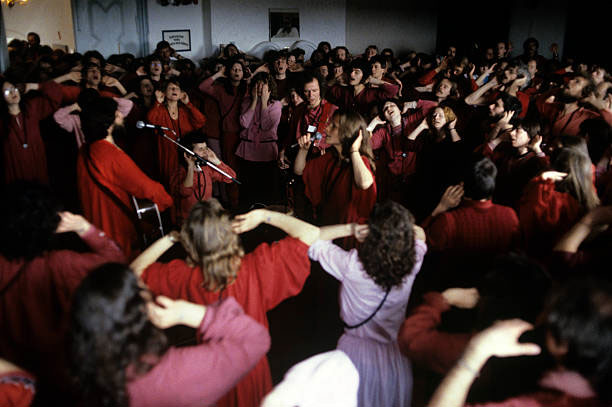
When I first began living in Osho’s Community, I saw that what he was transmitting through Tantra was nothing short of revolutionary. Traditional Tantra, as it existed in India, was complex and hard to access. It was filled with ancient rituals and symbolism that few modern people could relate to. Scholars tried their best to interpret these symbols and rituals but in fact, Tantra can only be understood if one becomes a practitioner of it’s methods rather than an outside observer.
Osho took Tantra out of temples and scholarly books and brought it back into everyday living. He said that the real heart of Tantra is to bring awareness into everything you do. He often said, “Tantra is not about sex; it is about transforming sex into love, and love into prayer.” What he meant is that sex, love, and spirituality are aspects of the same energy when it moves through us consciously. When we are aware and connected during sex, it naturally becomes more tender and loving. When that love deepens and expands beyond two people, it becomes devotional, prayerful and mystical.
For Osho, this is the missing piece in most spiritual traditions. Religion, he said, had taught people to cut the body off from the soul. It glorified control, denial, and celibacy, turning natural human experiences into things to feel ashamed of. Osho saw how this repression created guilt and violence. He refused the idea that holiness meant rejecting the body.
He taught that sexual energy is the raw power of life itself. When that energy is unconscious, it becomes only lust, compulsion, or addiction. When it is conscious, it becomes creativity, tenderness, connection and spiritual exaltation. The difference, he said, lies only in awareness. Bringing awareness into sexual energy allows it to rise, to move through the body and heart, until it becomes an experience of physical and spiritual wholeness rather than repression.
Read: The Life of a Sannyasin: Being One of Osho’s Disciples
Rajneesh's Ashram in Pune: A Laboratory for Conscious Living (1974–1981)
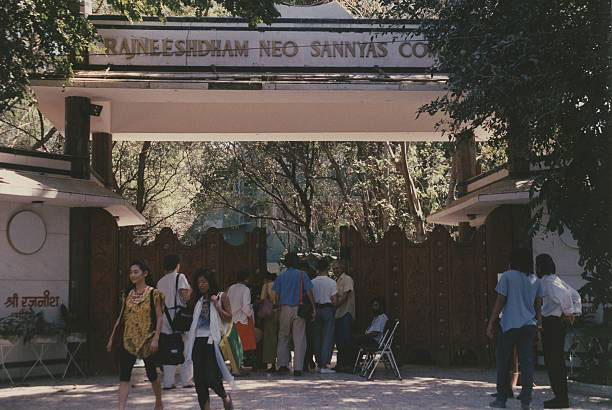
By the mid-1970s, Osho’s Western following had grown so rapidly that he envisioned creating a space where his teachings could be lived. In 1974, with the help of his trusted Secretary Lakshmi and a Greek Shipping Heiress, Mukta, he established the Ashram in Pune, India, which became the beating heart of his work, an experimental commune dedicated to meditation, therapy, creativity, and conscious living. What unfolded there was unlike anything the world had seen before.
The Ashram was built as a laboratory for awareness. Osho wanted to see what would happen when human beings stopped suppressing life and instead brought total consciousness to it. He said: "This commune is an experiment — a laboratory for inner transformation.” -The Secret, Talk #14
The Ashram quickly became a magnet for both Indian and Western seekers. Artists, musicians, psychologists, scientists, and spiritual wanderers from Europe, North America, and Australia arrived in thousands, drawn by Osho’s message. What they found in Pune was Eastern meditation and Western psychology blending into something entirely new.
Osho often said that the Ashram is a mirror, everything you experienced there would show you yourself. If you came to hide, the commune would expose you. If you came to wake up, it would strip away every layer that stood in the way. And yet, through all the intensity, there was beauty, a sense that this was what it meant to live with totality.
Those years in Pune marked the birth of a new consciousness. What began as a small home and garden for Osho Rajneesh became a thriving Ashram and a living movement, a place where the sacred and the sensual could finally meet without shame. From that ground, thousands of people carried Osho’s message into the world, seeding the growth of modern Tantra that continues to evolve today.
He also brought a new understanding of history through his discourses which would alternate, with one month being in Hindi and one month being in English. Indian Sannyasins report that Osho’s Hindi is of the highest calibre, with each phrase sending waves of rapture through the listener.
He offered a vision and understanding of history, based not on despotic conquerors and rulers but on the enlightened ones who have graced this earth since thousands of years. Each series of discourses would focus on various traditions of mysticism and the founders and enlightened masters of spiritual lineages spanning thousands of years and across continents. Each discourse was a revelation to those listening, bringing inspiration and hope that an enlightened humanity is indeed possible.
Rajneeshpuram — The Oregon Commune (1981–1985)
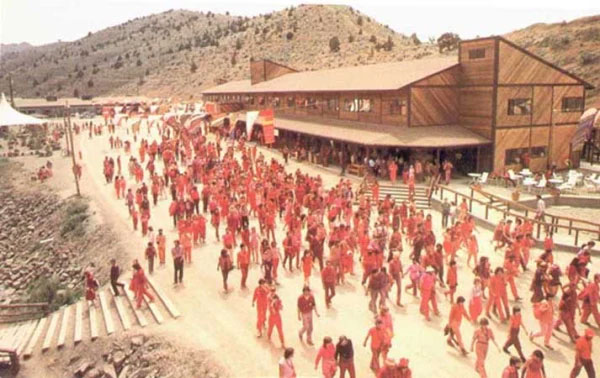
By the early 1980s, Osho’s Indian ashram was bursting at the seams with both Indian and Western devotees. In 1981, after years of relentless speaking and guiding thousands of disciples daily, he left India for medical treatment in the United States. What began as a temporary relocation soon became one of the most ambitious and controversial social experiments in modern history, Rajneeshpuram.
His close disciples purchased 64,000 acres of arid, overgrazed ranch land in Wasco County, Oregon, and began building what they envisioned as the first truly conscious city on Earth, a living experiment in meditation and communal living. The land was barren when they arrived, but in a few short years they transformed it into a fully functioning city with farms, housing, roads, a school, medical facilities, meditation halls, lakes and even a small airport. At its height, more than 5,000 residents from over 30 countries lived there, united by Osho’s vision of self-awareness and love as the basis for a new society. During festivals up to 20,000 people would gather from all over the world.
People worked long hours, creating roads, improving eco systems, building, farming, as well as singing and dancing. Osho introduced work as meditation, saying it is not what you do but how you do it which is important. Devotees worked not for profit but from a deep sense of belonging to something larger than themselves. He said: “My commune is an experiment to create the New Man, who will live without guilt, without repression, joyfully and consciously.” — The Last Testament, Vol. 3, Talk #4
The commune’s administrative and political affairs were largely managed by Ma Anand Sheela, Osho’s secretary. To many, she was the driving force that made Rajneeshpuram possible, handling logistics, legal battles, and having a lot of media exposure. But her methods were aggressive, and her personality polarizing. Sheela became famous due to her position as Osho’s secretary and eventually the center of the storm that would engulf the commune.
Read: What Really Happened at Rajneeshpuram? A Firsthand Account
Conflict With Oregon Communities
As the city grew, conflict with local residents and authorities escalated. Wasco County’s population was small and conservative; the sudden arrival of thousands of orange-robed foreigners speaking of free love and meditation triggered fear and outrage. Local government tried to block construction permits; in return, the commune’s legal team fought back with relentless determination.
The commune began to purchase land and properties in nearby towns, sparking accusations of takeover. The local media, fueled by the spectacle, painted Rajneeshpuram as a cult empire. TV crews and journalists arrived daily, hungry for scandal.
Osho Rajneesh was in public silence for the first three years, ie the building phase of Rajneeshpuram. He would appear once per day in what was called ‘Drive by’ where he would be driven in one of his iconic Rolls Royces on the county road passing through the Ranch. Disciples would stop work to line up and receive his blessing. This daily ritual was punctuated by disciples singing original songs, playing musical instruments and dancing in ecstasy as the Master was driven slowly by. From time to time he would stop and roll down the window, offer a blessing on the head or a gift, or a bunch of red roses to various devotees. His only contact with the world was through his secretary Sheela. She would relay information and take care of secretarial tasks. These visits would last about an hour. Other than the drive by and meetings with his secretary, he was simply resting in silence in his room.
The turning point came in 1984, when a series of criminal acts committed by members of Sheela’s inner circle shocked the world. In an attempt to influence local elections, they orchestrated a bioterror attack by contaminating salad bars in The Dalles, Oregon, with salmonella bacteria, sickening over 700 people. It remains the largest bioterror attack in U.S. history. When the truth surfaced, the commune’s dream began to unravel.
That same year, Osho denounced Sheela and her aides for corruption and betrayal of his vision. She and her closest followers fled the commune overnight, later facing arrest and imprisonment.
In the aftermath, Osho was arrested on trumped up immigration-related charges as the U.S. government sought to dismantle what remained of the commune. After months of legal battles, he agreed to leave the country. In 1985, he embarked on what became known as his “World Tour,” traveling from country to country, often denied entry at airports, as 20 different governments refused him asylum. The media dubbed him “the world’s most unwanted man.” By the time he returned to India in 1986, Rajneeshpuram lay abandoned.
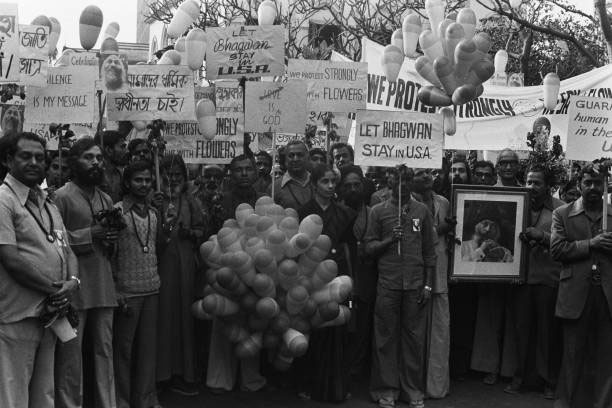
For those who lived there, including many of my fellow sannyasins, Rajneeshpuram was both a miracle and a lesson. It revealed how love and awareness can be swallowed by control and fear when unconscious power games enter the equation. It was simultaneously a miracle of human endeavor, a paradise on earth where love and meditation were woven together into a tapestry of creative joy.
Osho later said: “The commune was destroyed by the ugly games of politics and religion, but it was a great experiment in consciousness. What we experienced there will remain forever.” - From Death to Deathlessness, Talk #23
Return to India and Final Years (1986–1990)
After his exile from the United States, Osho returned to India in 1986. He no longer seemed interested in confronting the world. Instead, his attention turned fully inward, into silence, meditation, and what he called “the ultimate flowering of human consciousness.”
He settled once again in Pune, where the original ashram, abandoned years earlier, was revived and transformed. He resumed his daily discourses and later took on a new name, Osho. He said that the name “Rajneesh” belonged to a past identity. The word ‘Osho’ comes from William James’ word ‘oceanic.’ It is also the title given to Zen priests in Japan.
His teachings shifted during these years. He spoke less about rebellion and more about inner stillness, awareness, and the integration of body and spirit. Several years earlier, Osho had introduced the vision of “Zorba the Buddha.” It is his way of describing the kind of human being he believed the world needed: someone who is as sensually alive as Zorba the Greek and as aware as the Buddha. To Osho, spirituality had to include laughter, music, sexuality, and celebration as much as silence and meditation. He said, “I want the whole man, not half. The body and the soul, the material and the spiritual, should dance together.”
Under his guidance, the Pune ashram evolved into what became known as the Osho International Meditation Resort. It combined meditation halls with modern architecture, a thriving publishing house, therapy programs, and a health center.
Yet even as his teaching expanded and deepened, Osho’s health declined. He suffered from chronic weakness, fatigue, bone pain and respiratory complications that his doctors struggled to explain. Many disciples, including those close to him, believed that he had been poisoned during his imprisonment in the U.S. with substances like thallium or slow-acting toxins. Osho himself hinted at it, saying that his body would never fully recover from what was done to him during his time in prison.
On January 19, 1990, Osho died in Pune. The official cause was heart failure, but among his disciples there was a shared sense that he simply chose to leave the body, once his work was complete. His ashes were placed inside a custom designed meditation hall called The Samadhi, commune, beneath a simple marble plaque engraved with the words:
“OSHO
NEVER BORN
NEVER DIED
ONLY VISITED THIS PLANET EARTH BETWEEN
11 DEC 1931 – 19 JAN 1990”
Even after his death, the ashram remained alive with the spirit of his teaching. The meditations continued; new seekers arrived daily. The place became less of a commune and more of a living meditation resort, carrying forward Osho’s dream of fusing the sacred and the everyday. His presence reminded us that meditation doesn’t remove us from life; it illuminates life itself.
The Pune Meditation Resort remains his resting place, but his voice, laughter, and vision continue to reach far beyond its walls. For those of us who lived in his physical presence, those years marked not the end of a Master’s life, but the beginning of a global understanding of what it means to live consciously, fully human, fully awake.
Osho’s Books, Talks, and Teachings
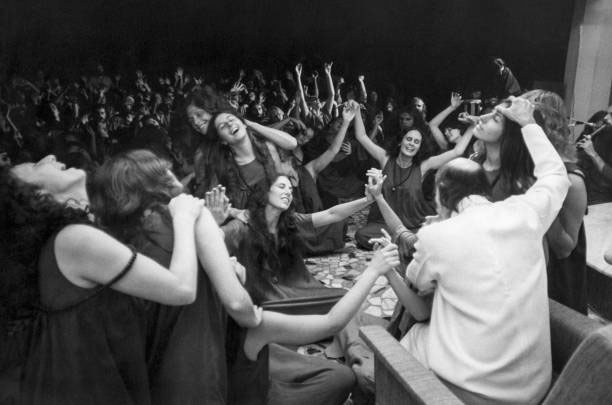
Osho never wrote a single book in the traditional sense. Every one of the more than 600 titles attributed to him were born from spoken words, recorded talks, discourses, and question-and-answer sessions delivered spontaneously over decades. These were later transcribed and published in multiple languages, creating one of the largest bodies of spiritual literature ever compiled by a single teacher.
He spoke without notes, moving effortlessly between philosophy, psychology, poetry, and practical wisdom. One morning he could discuss Zen koans; by evening, he might explain Freud, Lao Tzu, or the subtle chemistry of sexual energy. He refused to prepare lectures or craft doctrines, saying that truth cannot be rehearsed, it must arise fresh, in the moment. This spontaneity gave his talks their distinct vitality; reading them even now feels like sitting in his presence.
Osho’s books cover every aspect of human life, love and relationship, fear and freedom, meditation and creativity, birth and death, the body and consciousness. He addressed questions as simple as how to breathe consciously and as complex as the nature of enlightenment.
Among his most well-known and enduring works are:
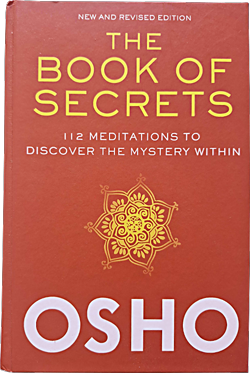
The Book of Secrets
Osho’s commentaries on the Vigyan Bhairav Tantra stands as one of the most comprehensive works ever produced on meditation. The ancient Kashmiri scripture contains 112 techniques, each a different doorway into awareness, and Osho unpacks every one with striking precision. He dissolves the austerity that often surrounds Tantric teaching and translates it into the vocabulary of modern psychology and sensory life. Each discourse links a classical sutra to the human dilemmas of fear, love, anger, and desire.
Love, Freedom, Aloneness (The Koan of Relationships)
This series became Osho’s definitive exploration of relationships and the inner maturity required for love. He begins by dismantling the romantic mythology that equates attachment with devotion. To him, love between two people can exist only when both stand whole and inwardly free. Dependence breeds possession; awareness breeds connection. Osho reframes aloneness, not loneliness, as the soil in which genuine intimacy grows. “Love,” he writes, “is the fragrance of your own being, shared with another.”
The Mustard Seed
In this collection of discourses on the Gospel of Thomas, Osho reclaims Jesus as a rebellious mystic. He portrays Christ as a man intoxicated with divine presence, whose radical intimacy with existence threatened both priests and politicians. Osho’s commentary exposes how institutional Christianity reduced a living experience of awakening into a moral system of control.
The Tantra Experience
Here Osho distills decades of talks on Tantra into a direct and uncompromising synthesis. He defines Tantra not as the alchemy of awareness and energy. Desire, when observed without judgment, becomes a current of consciousness. Repression, he argues, fragments the psyche; acceptance integrates it. The book became a foundational text for Neo-Tantra worldwide, influencing both therapeutic and spiritual approaches to sacred sexuality.
Sex Matters (From Sex to Superconsciousness)
A rare public dismantling of sexual taboo delivered with Osho’s characteristic fearlessness. In these talks he traces the pathology of repression, from guilt and neurosis to the collective violence born of denied instinct. Rather than preaching indulgence, he calls for conscious participation in life’s creative force: “Sex can become love if awareness is brought into it, and love can become prayer if awareness is total.” The book marks one of Osho’s most courageous cultural interventions, positioning sexuality as the first step in a continuum that leads toward meditation and transcendence.
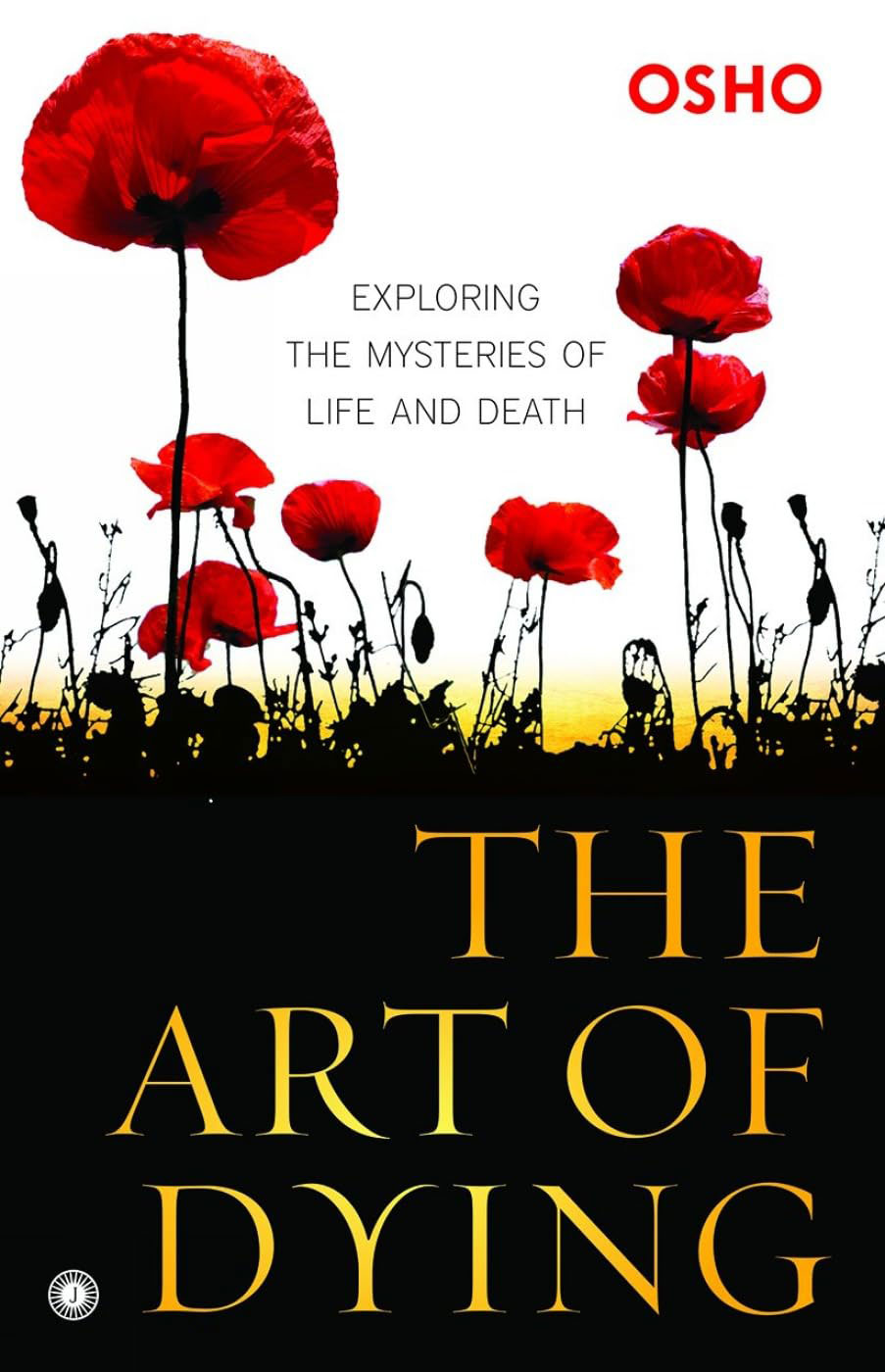
The Art of Dying
In this series, Osho examines death as the final act of meditation. He draws from the Tibetan Book of the Dead, Zen anecdotes, and his own near-death experience during enlightenment. To die consciously, he says, is to witness the body fall away while awareness remains untouched. Each chapter functions as a reminder that learning to die each day to thought, identity, and possession is the essence of spiritual freedom. The book transforms mortality from a fear into an invitation to awaken.
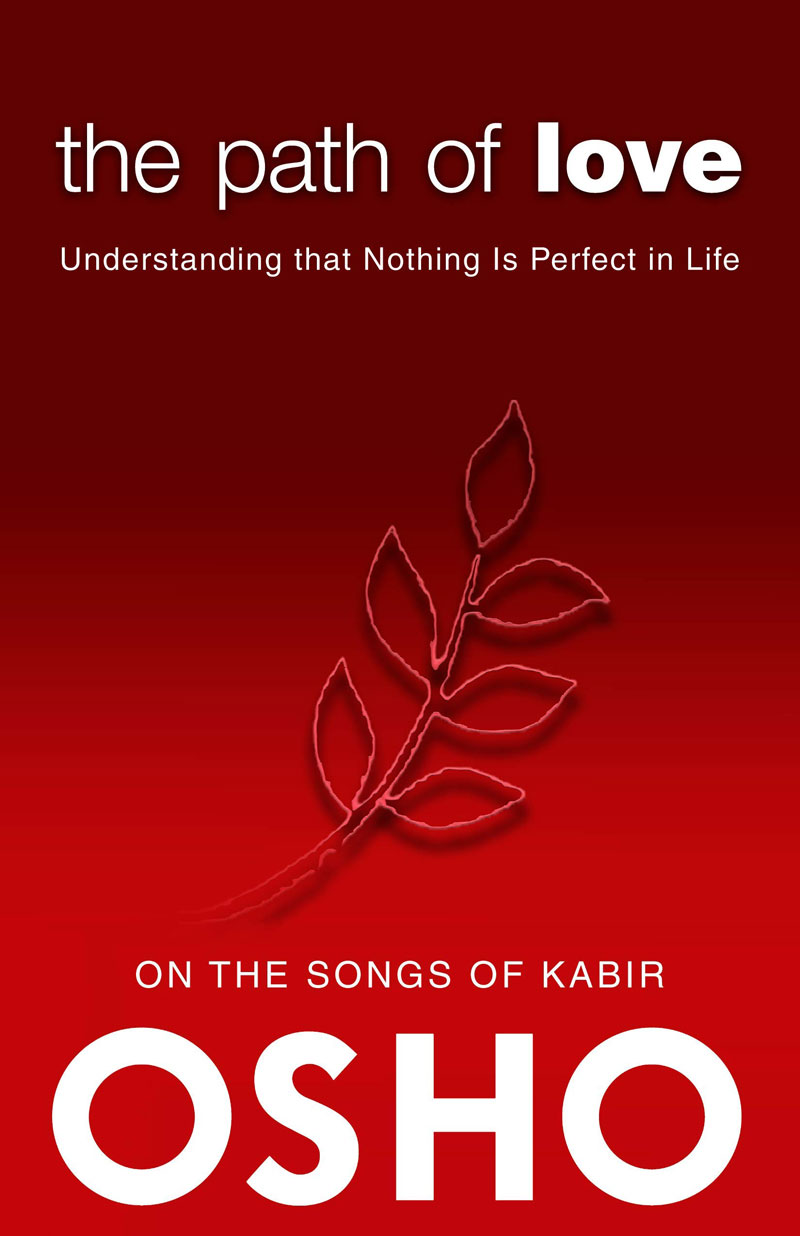
The Path of Love
An intensely poetic exploration of devotion (bhakti) and surrender. Osho uses stories from Sufi mystics, Hindu poets, and his own encounters with disciples to illuminate how love becomes a vehicle for dissolving the ego. He distinguishes emotional dependence from surrender, showing that when love ceases to demand, it turns into meditation. This work is often considered Osho’s most lyrical expression of the mystic heart.
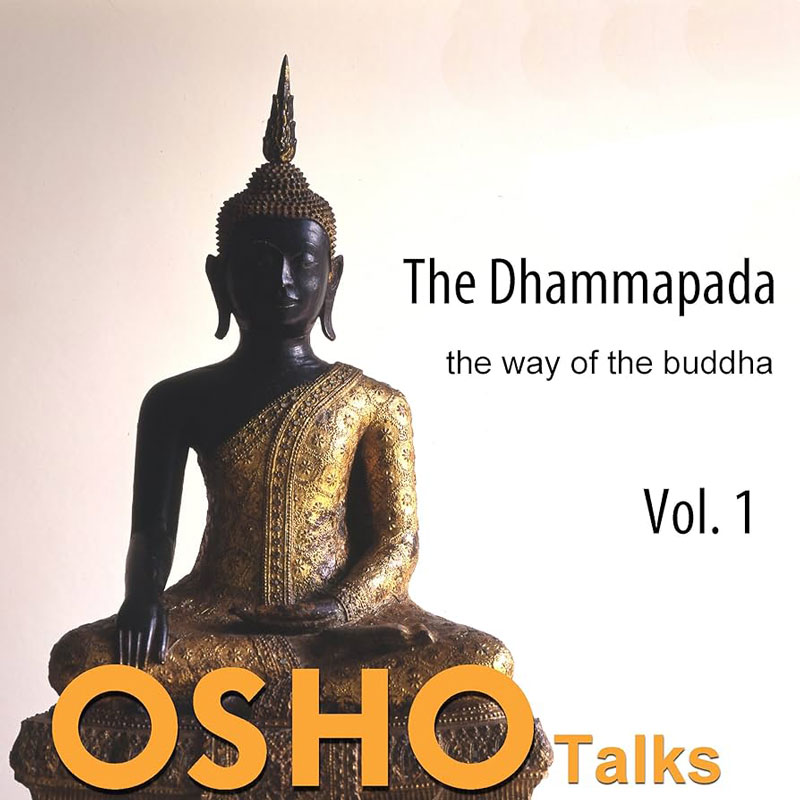
The Dhammapada: The Way of the Buddha
Spanning several thousand pages, this multi-volume commentary is Osho’s intellectual and spiritual dialogue with the Buddha. He decodes each verse of the Dhammapada with precision, translating Buddhist detachment into living awareness. These talks are remarkable for their balance and for how they trace the evolution of consciousness from ignorance to enlightenment.
The Book of Wisdom
A commentary on Atisha’s Seven Points of Mind Training, this series presents a complete psychology of compassion. Osho explores the transformation of suffering through understanding, teaching that awareness without love becomes dry, while love without awareness becomes blind. The book maps the stages of inner discipline required to move from reactive emotion to conscious response.
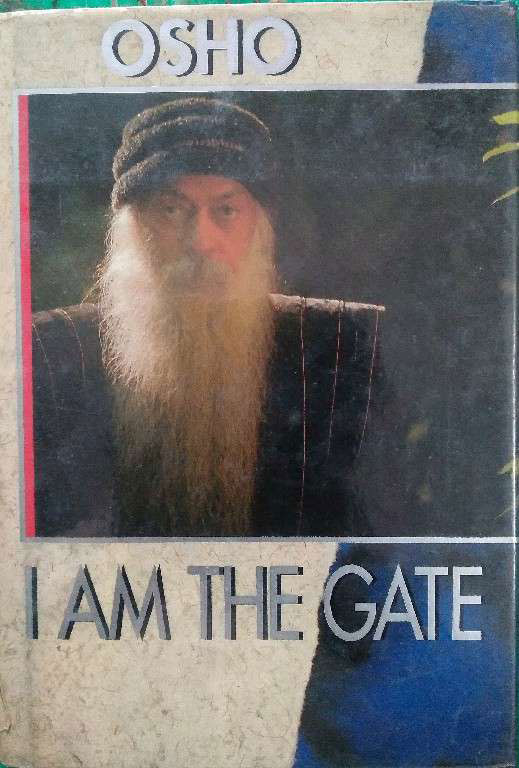
I Am the Gate
I Am the Gate captures the raw essence of Osho’s earliest public talks from the late 1960s and early 1970s — a period when he was speaking to 50,000 often stunned Indian audiences. Delivered before the establishment of his Pune ashram, these discourses reveal a teacher in full awakening. In these talks, Osho declares that the search for truth cannot be taught through scripture or belief; it must be experienced directly.
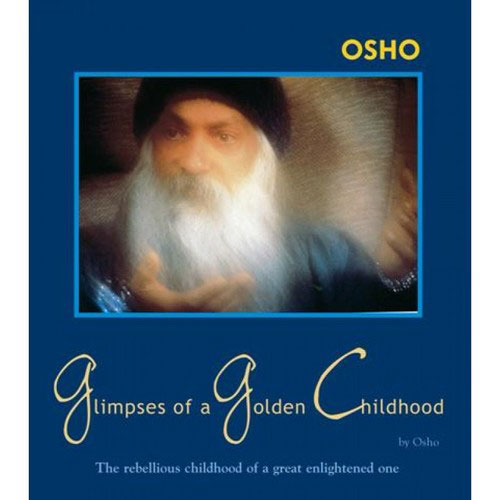
Glimpses of a Golden Childhood
This book gathers Osho’s own reminiscences of his early years. He describes growing up in rural India surrounded by nature, raised in complete freedom by his Grandparents. He traces how that freedom became the foundation of his enlightenment.
Osho’s Meditation Techniques
Osho observed that the modern person is too tense and overstimulated to sit quietly and watch the breath, as earlier mystics once did. Osho’s solution was to reinvent meditation for the nervous system of the 20th century. The result was a complete system of meditation techniques that combined movement, breath, emotional release, sound, and stillness, allowing people to release what was stuck before falling naturally into silence.
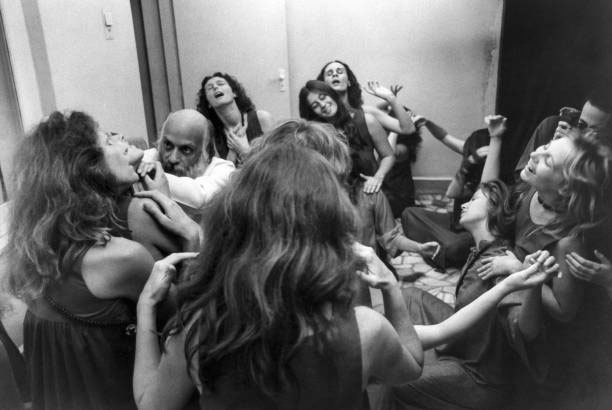
Dynamic Meditation
Developed in the early 1970s, Dynamic Meditation became the signature practice of Osho’s commune. This five-stage process, chaotic breathing, emotional release, raising kundalini through jumping and mantra, silence, and dance, was designed to cleanse the body and mind of repressed energy, preparing the body and mind for deep meditation, gratitude and celebration.
Osho explained that most people run on data, not awareness. His method reconnected the body to its own intelligence. In Osho’s teachings, expression came first; only after the storm could stillness arrive.
Read: Osho Dynamic Meditation: A Life-Changing Experience
Kundalini Meditation
Kundalini Meditation is one of Osho’s most beloved evening practices, a perfect counterbalance to the fiery intensity of Dynamic Meditation that opened each day. Practiced in the late afternoon, this meditation invited the body to unwind from the day’s activity and to release tension stored in its deeper layers. The body, he said, becomes like “a tightly wound spring, unable to vibrate freely.” Kundalini Meditation was created as the antidote to this rigidity, a way to restore the body’s natural rhythm so that silence could arise organically.
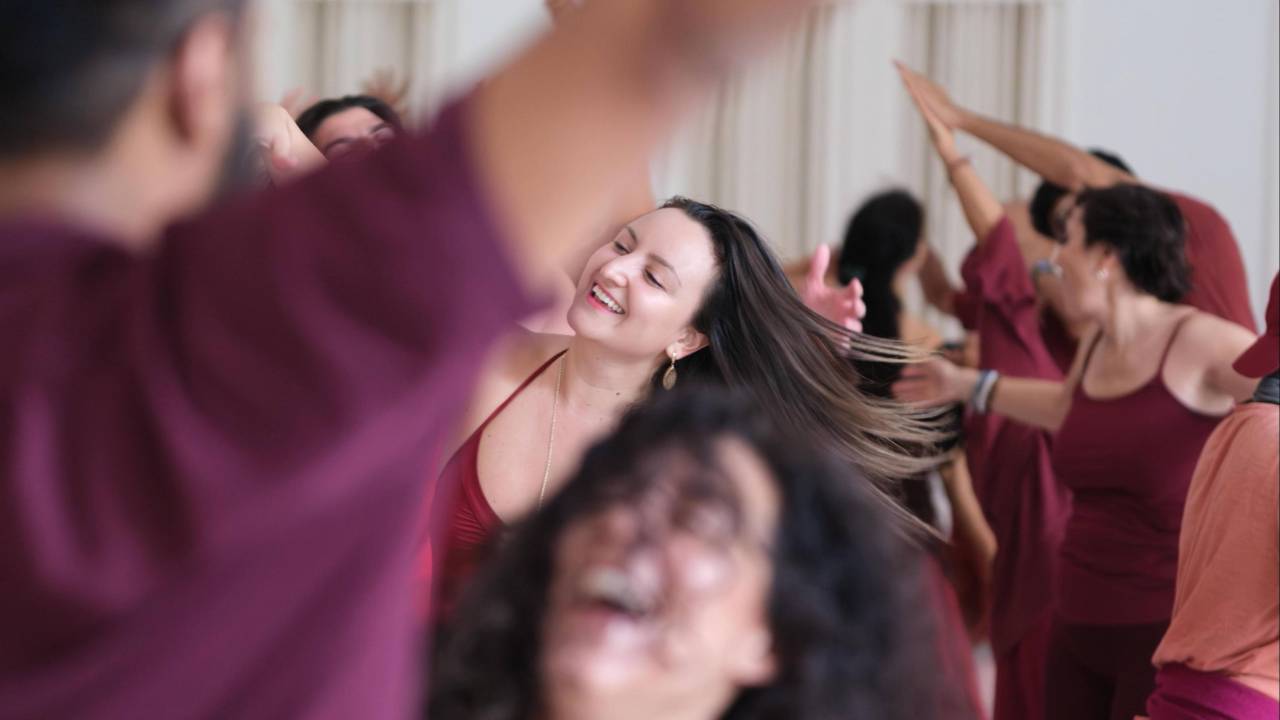
The practice unfolds in four stages, moving from active expression to complete stillness. It begins with gentle shaking. After the shaking comes spontaneous dance, for the second stage. The dance allows energy released by the shaking to flow freely through the body. Osho called it “a celebration of movement,” a way of letting joy return after the stiffness of control.
He said:
“Dance as if possessed. Don’t move the body — let the body move you. When the dancer disappears and only the dance remains, you are in meditation.”
In the third phase of Kundalini one sits in silence and meditation. And in the 4th phase, you are invited to lay down in silent let go and relaxation.
Nadabrahma Meditation
Drawing inspiration from Tibetan humming meditations, Osho reimagined this technique for the contemporary seeker who struggles to find stillness in silence. Nadabrahma uses sound vibration to quiet the mind. Osho explained that this continuous vibration brings the body and mind into alignment, tuning the human system like an instrument. “When the body and mind are in tune,” he said, “a door opens to what is beyond both.”
In the second phase, slow hand movements were introduced — one gesture symbolizing the giving of energy, the other the receiving of it. The final stage is silence.
Osho described it beautifully:
“When your body and mind both become one through the humming, you are in tune with existence.” - The Sacred Yes
No-Mind Meditation
No-Mind Meditation is a technique using “gibberish” to clear out sub personalities and overthinking from the mind. The method is simple, speak nonsense sounds and in languages you don’t know with full intensity until the mind exhausts itself. Then stop and sit in silent meditation. In that stillness, awareness appears.
He explained that the mind is full of noise accumulated from religious traditions, social conditioning, and advertisements promising peace. The way to silence is not to suppress this noise but to let it move through nonsensical expression. Only then does real quiet emerge.
Mystic Rose
The Mystic Rose Meditative Therapy is one of Osho’s final and most advanced practices, usually done in a group. It is a three-week emotional and spiritual cleansing process created during his later years at his ashram in Pune.
Osho explained that modern people carry a lifetime of unexpressed emotion — joy they’ve withheld and pain they’ve buried. These suppressed feelings, he said, “form a crust around the heart” (The Mystic Rose, Talk #2) The Mystic Rose breaks that crust so awareness and joy can return.
Today, Mystic Rose Meditative Therapy remains one of the most transformative programs offered at Osho centers worldwide.
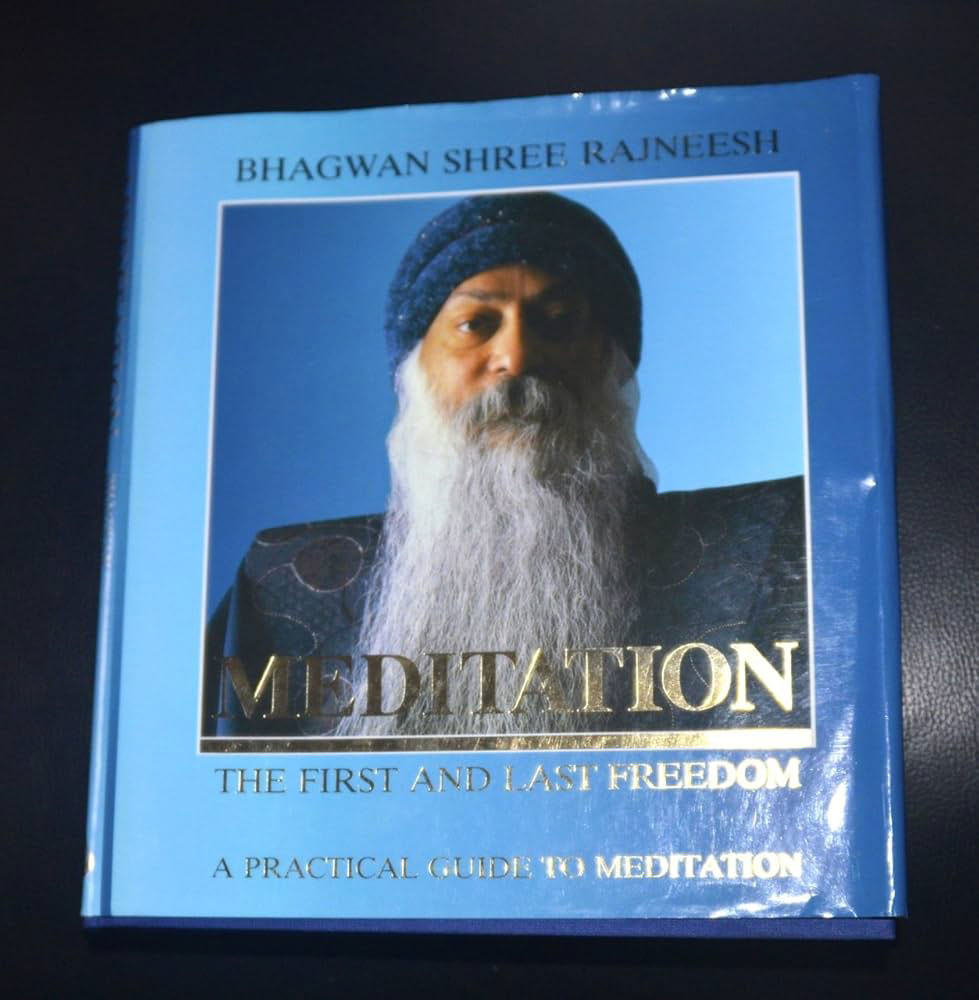
A wonderful book called Meditation, The First and Last Freedom, compiled by one of Osho’s Disciples, Deva Wadud, offers descriptions in Osho’s own words about the multitudes of Meditation Techniques Osho has created or spoken about.
Osho’s Devotees Helped Shape His Legacy
Throughout his life, Osho was surrounded by a diverse circle of friends, disciples and close supporters who helped shape and later interpret Osho’s Legacy and Lineage. Some managed the practical realities of ashram construction, legal matters, and administration; others carried his spiritual teachings into music, tantra, therapy, and meditation centers worldwide. This network became the living continuation of his vision.
The most well-known among them was Ma Anand Sheela, Osho’s personal secretary and administrator during the Oregon years. Swami Prem Niren, Osho’s American lawyer, also stood beside him through many challenges. Swami Anand Arun, one of Osho’s early disciples from Nepal, carried his master’s message into South Asia after Osho’s return to India. He founded meditation centers and introduced Osho’s meditation techniques to new generations, particularly in Nepal, where the Rajneesh movement’s efforts took on a distinctly community-centered tone.
The musical expression of Osho’s work lives on through Deva Premal and Miten, whose mantra music grew from their years in Rajneesh’s ashram. Multitudes of musicians from the world of Osho are now famous in the world at large, bringing his energetic presence through their musical offerings. Other Osho devotees carried forward different aspects of his legacy. Swami Satya Vedant continued to teach Osho’s meditation philosophy within academic and spiritual contexts.
Swami Chaitanya Keerti took on the role of editor and public voice for Osho’s publications in India, ensuring his talks remained accessible to seekers around the world. Therapists trained under Osho, including Veeresh Dhanraj, founder of the Humaniversity in the Netherlands, merged therapy and meditation, pioneering programs that remain active today. Margot Anand, a famous, pioneering Tantra Teacher brought her Skydancing Tantra into the mainstream. Deva Padma, creatress of the Osho Zen Tarot has inspired millions through her exquisite art and insights. In almost every profession imaginable and unimaginable, you will find devotees of Osho weaving their special magic.
Multitudes of Osho Centers exist in countries all over the world and Osho’s books, audio and video discourses continue to inspire millions of people.
Many people have reported to me that Osho appeared to them in meditation, giving them guidance or the answer to some important question. Or he may appear in someone’s dream, blessing them and giving them a spiritual name. These kinds of experiences are so common that we can but surmise that Osho is still helping to raise consciousness through the etheric dimension.
Read: Shift Your Reality with These 11 Osho Meditations
Famous Osho Quotes (The Golden Words)
“Be — don’t try to become. Becoming is the root of all misery.”
— The Art of Dying, Talk #4
“Courage is a love affair with the unknown.”
— Courage: The Joy of Living Dangerously, Introduction
“Be realistic — plan for a miracle.”
— The Art of Dying, Talk #6
“Truth is not something outside to be discovered; it is something inside to be realized.”
— The Hidden Splendor, Talk #6
“Tantra is not a religion; it is a science — the science of transforming ordinary lovers into soulmates.”
— The Tantra Experience, Talk #1
“The greatest fear in the world is the opinion of others. And the moment you are unafraid of the crowd, you are no longer a sheep; you become a lion.”
— Courage: The Joy of Living Dangerously, Chapter 1
"Life begins only where fear ends."
— The Art of Living and Dying (Compilation of Talks)
“Life is the path, and love is the goal.”
— The Secret of Secrets, Vol. 2, Talk #12
“Laughter brings you to your senses. Tears cleanse your heart. And silence opens the door to the beyond.”
— The Mystic Rose, Talk #2
Read: Osho Quotes: 70 Teachings That Will Transform Your Life
Authors